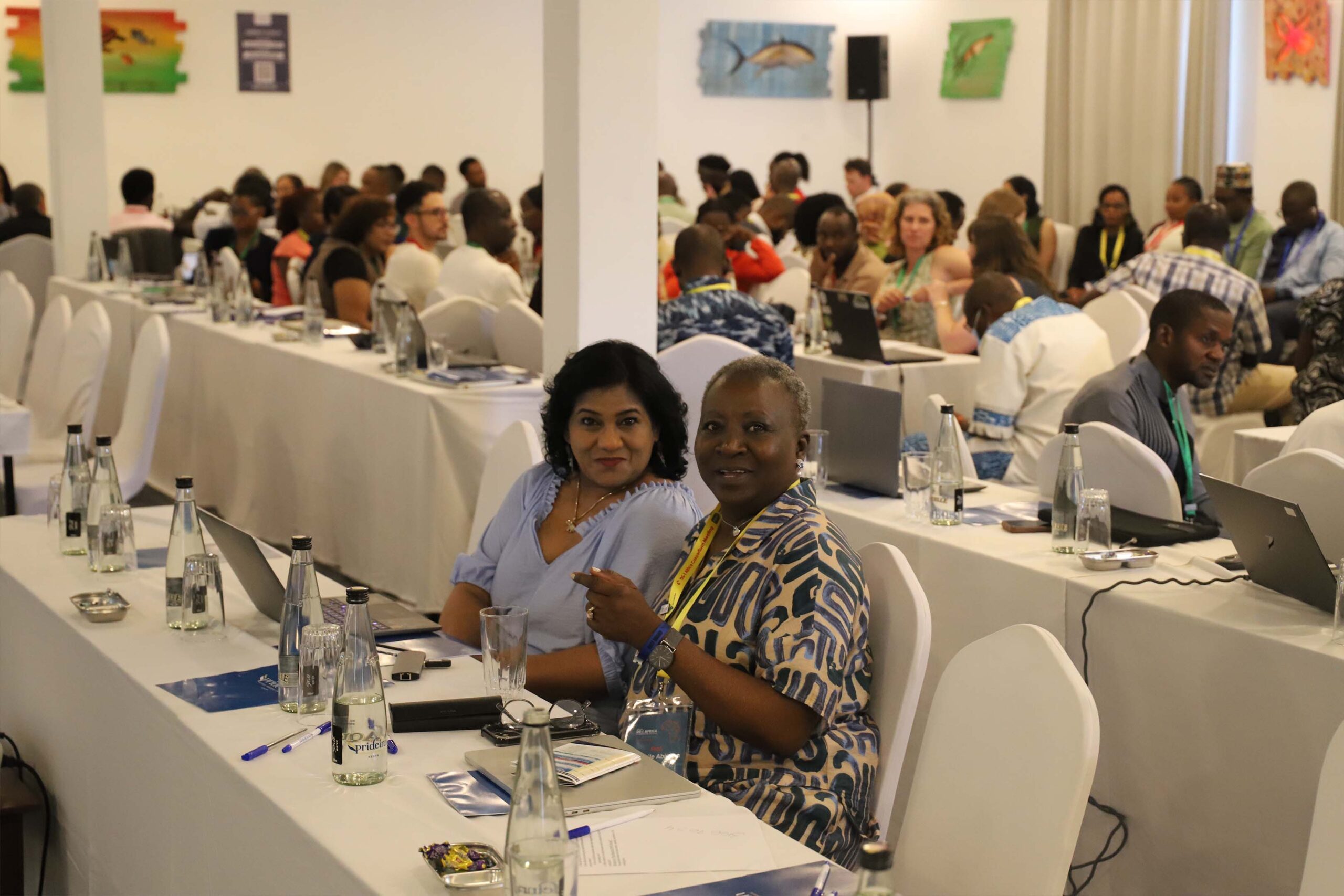
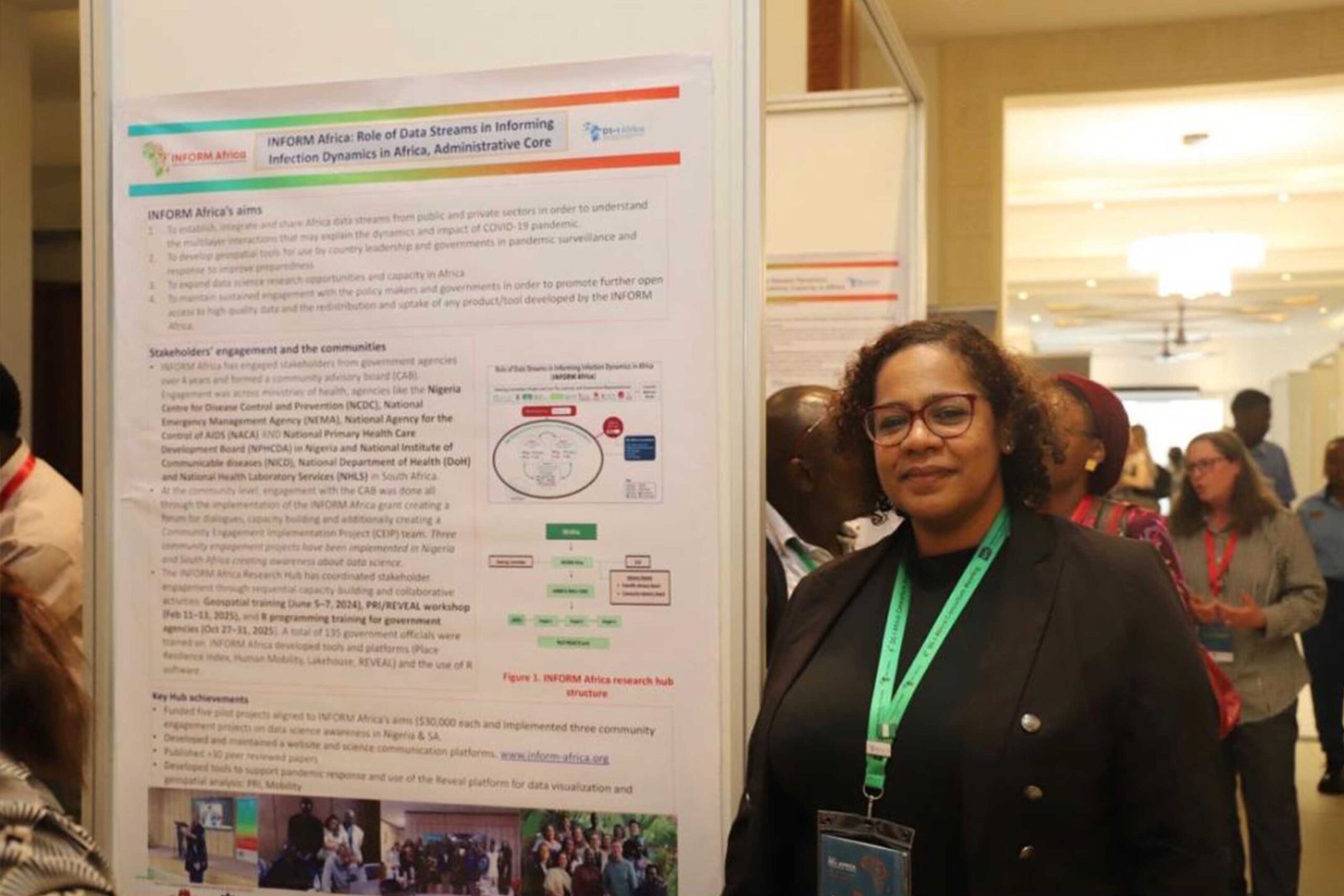
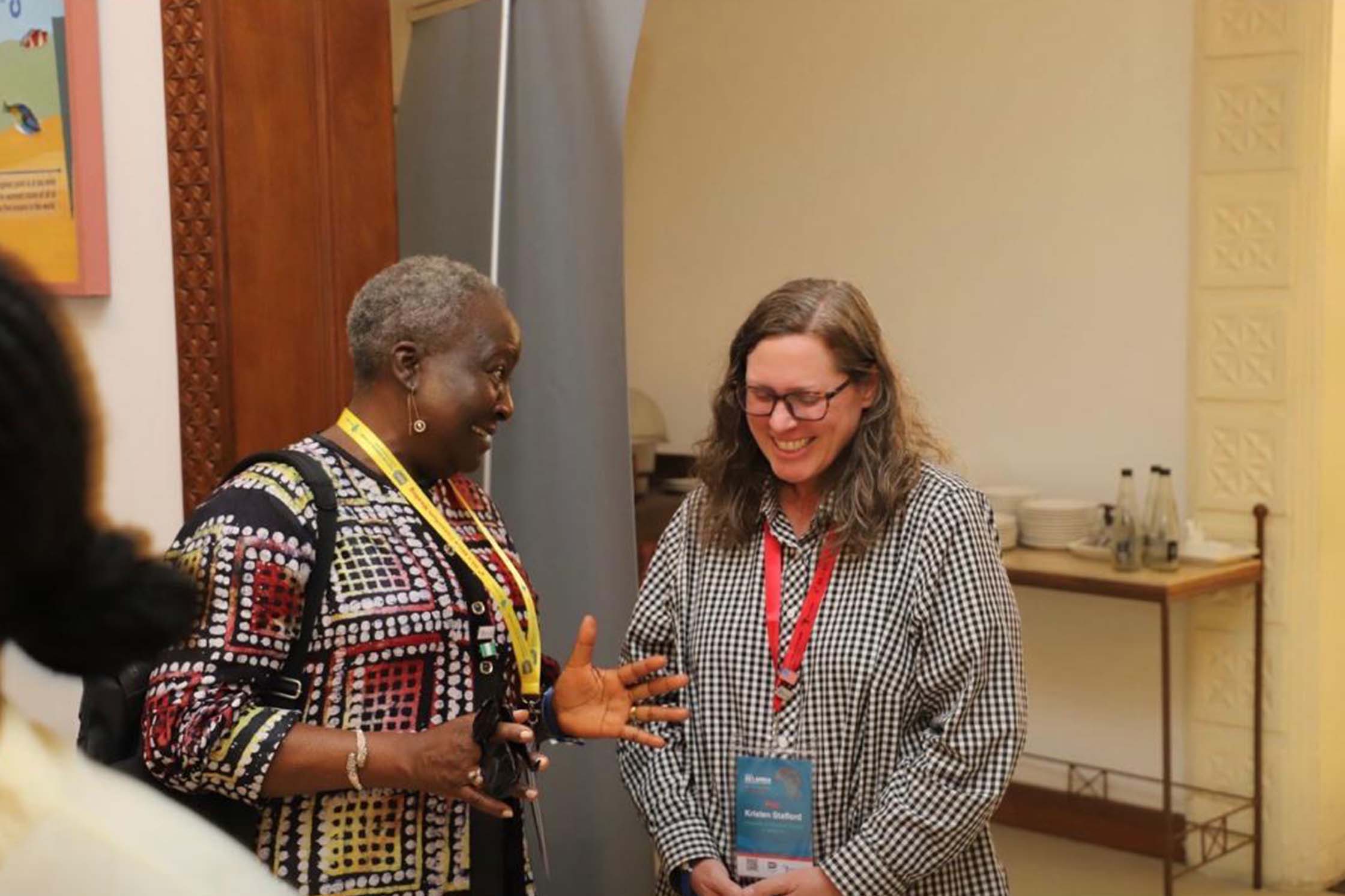
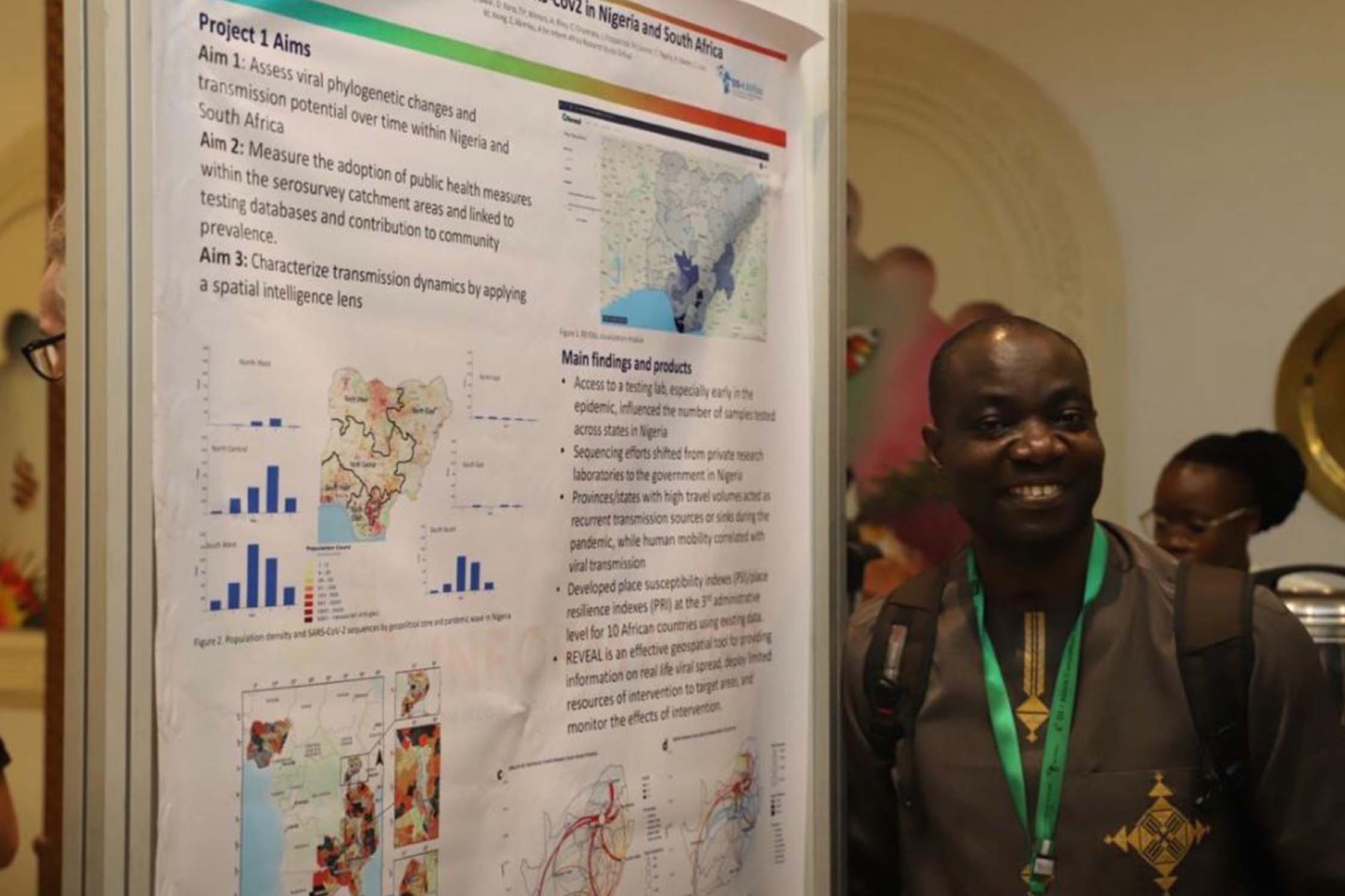
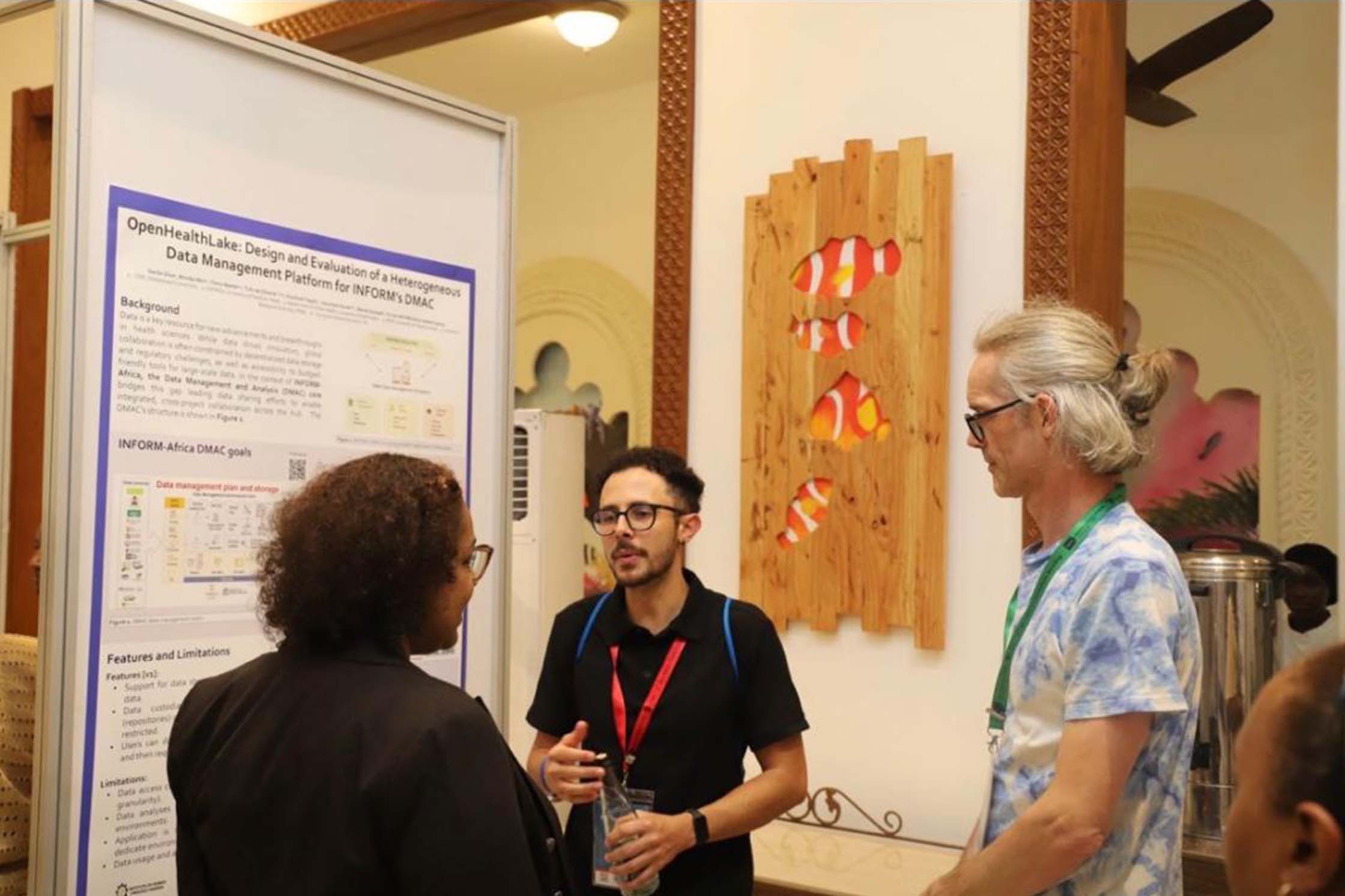
The INFORM Africa Research Hub was prominently featured during the DS-I Africa Consortium Meeting in Mombasa, Kenya, with researchers highlighting innovative approaches to infectious disease surveillance, data science, and pandemic preparedness across Africa.
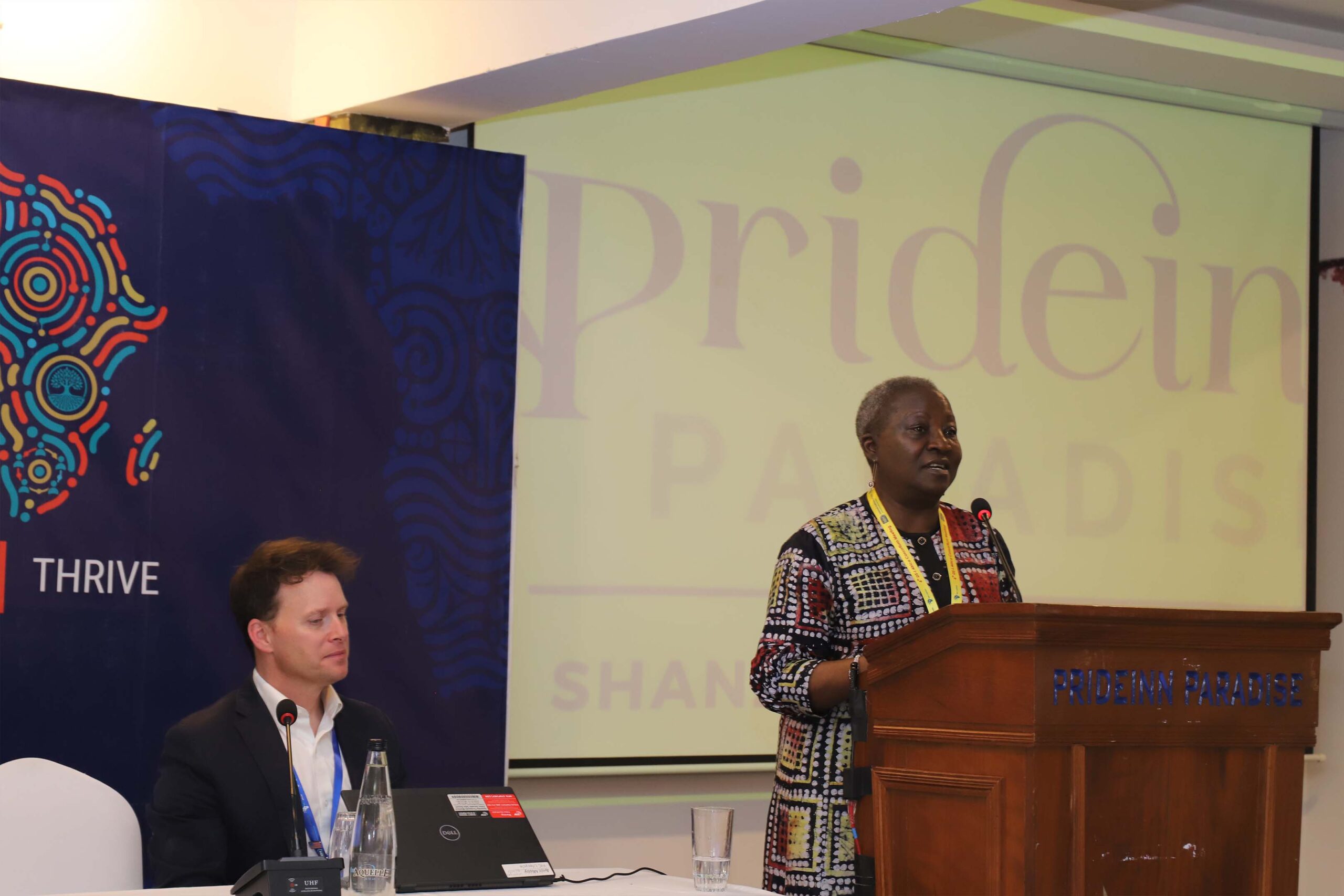
During the plenary session on “Innovations in Infectious Disease Surveillance in Africa,” Prof. Alash’le Abimiku, Executive Director of the International Research Centre of Excellence (IRCE) at the Institute of Human Virology Nigeria (IHVN) and Multiple Principal Investigator (MPI) of INFORM Africa, presented the Hub’s five-year journey and its contributions to strengthening public health decision-making across the continent.
Her presentation showcased how INFORM Africa integrates multiple data streams—including genomic, epidemiological, mobility, and geospatial data—to better understand how infectious diseases spread and evolve in real time. She highlighted several innovative tools developed by the Hub to support governments in strengthening surveillance systems and improving pandemic preparedness and response.
Also speaking during the session, Dr. Christina Riley demonstrated the capabilities of REVEAL, INFORM Africa’s interactive data visualization platform. She highlighted how the platform has evolved to support a wide range of public health applications, enabling researchers and policymakers to transform complex datasets into actionable insights for evidence-based decision-making.
Advancing the Use of Synthetic Data in Africa
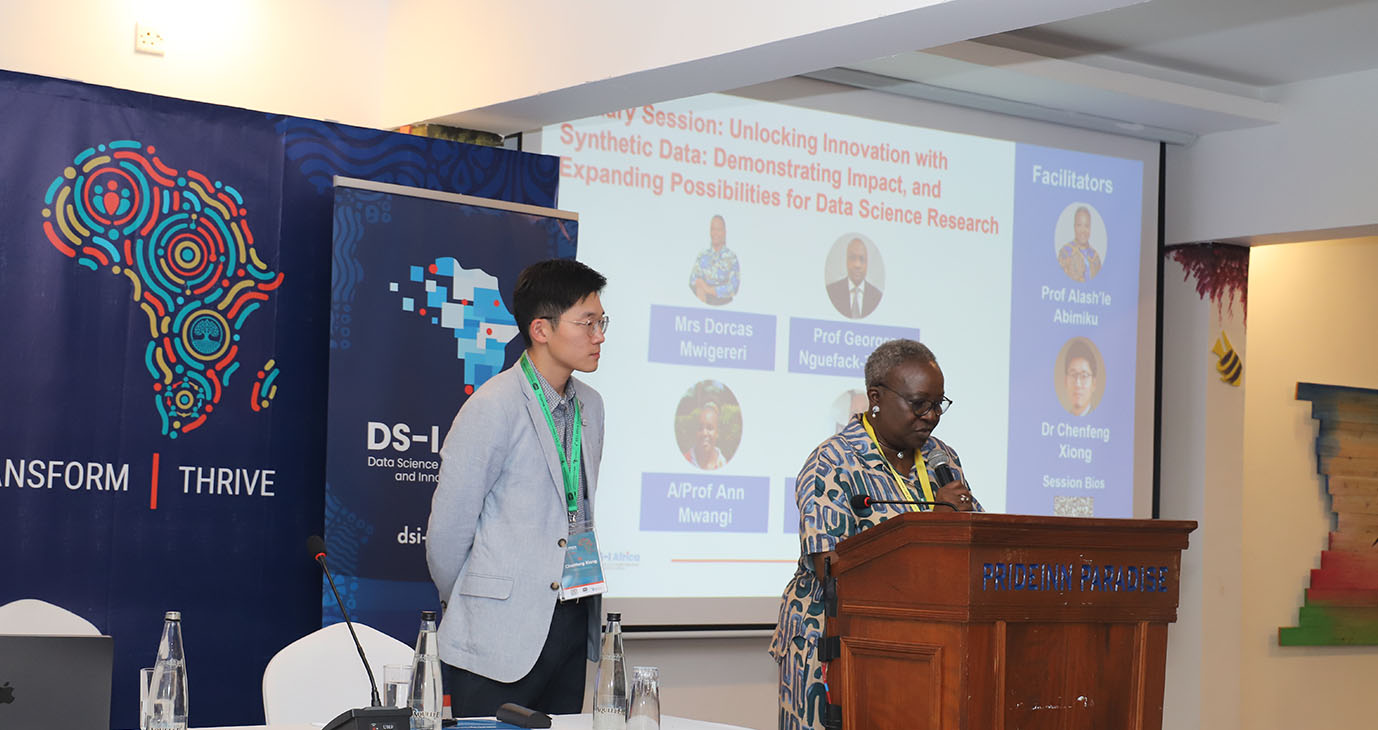
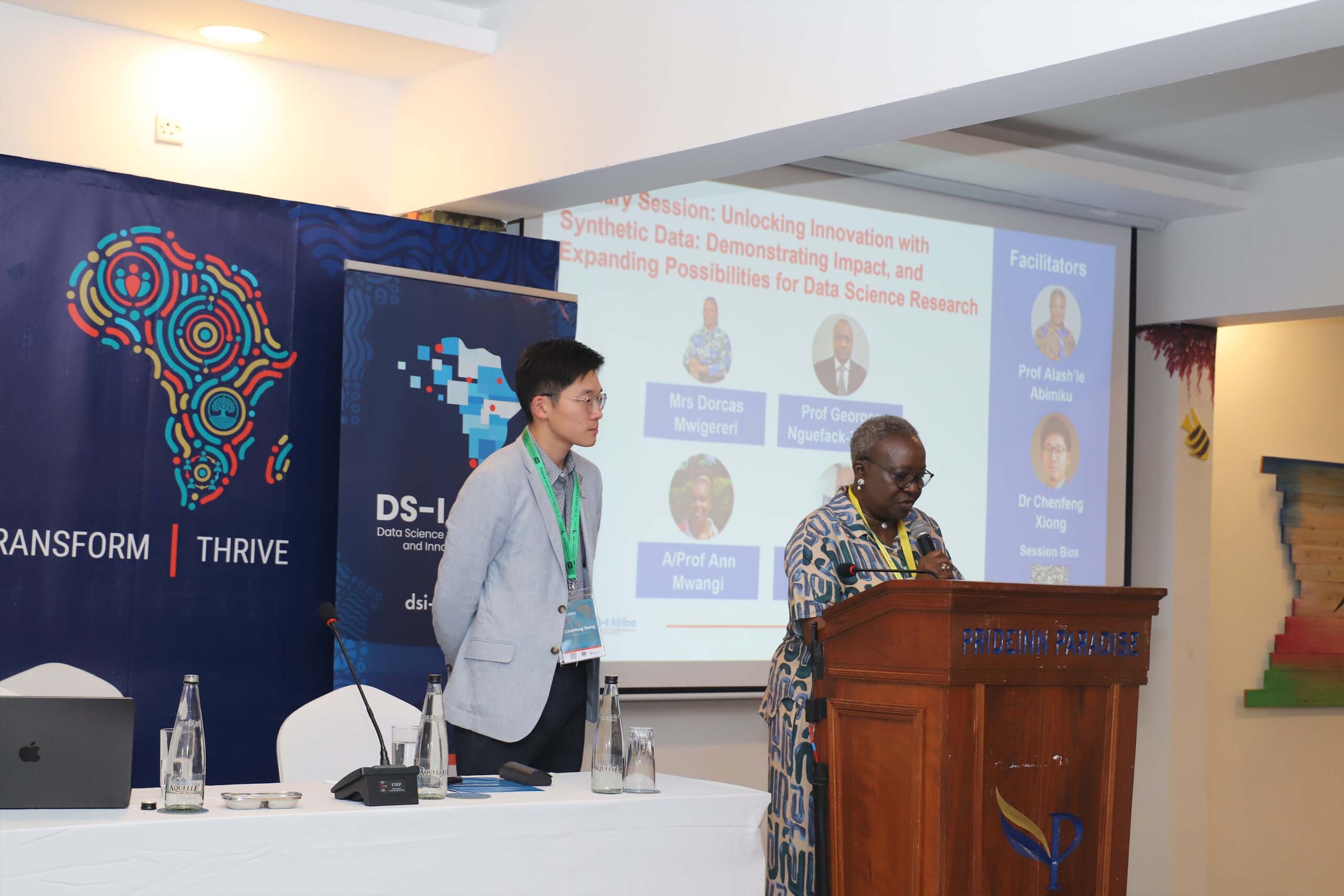
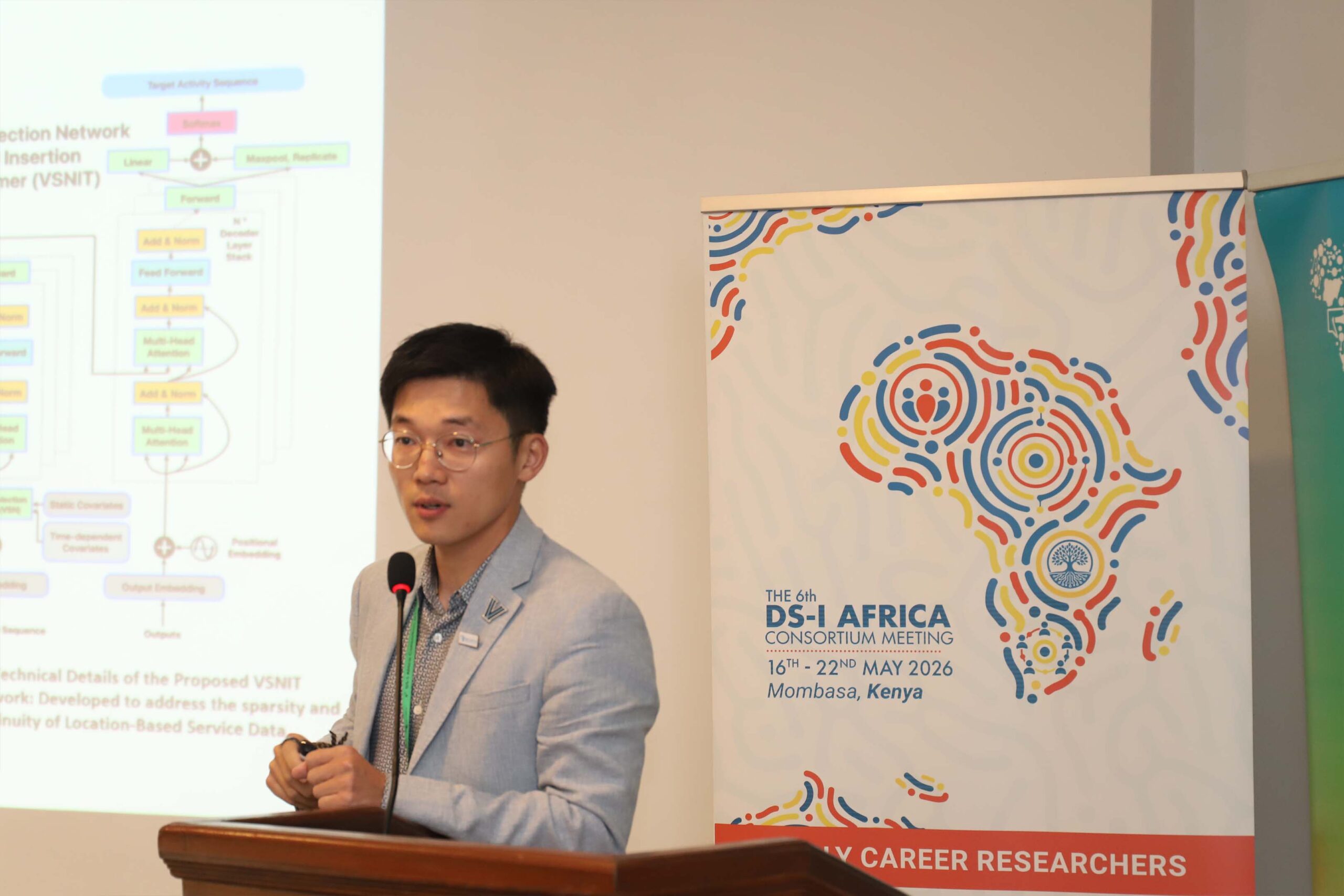
Prof. Abimiku also co-facilitated a technical session on the use of Synthetic Data (SD) across the Data Science for Health Discovery and Innovation in Africa (DS-I Africa) programme, alongside Prof. Chenfeng Xiong. The session brought together researchers from several DS-I Africa projects to discuss innovative approaches for improving data access while safeguarding privacy.
Among the presentations:
George, representing the DS-I Network for Excellence (DSINE), presented work on the use of synthetic data to develop trauma and road traffic accident registries in Cameroon. The project demonstrated how synthetic datasets can facilitate secure data sharing while supporting evidence-based interventions and policy development.
Celestin, from the SYNAPSE Project at the University of Rwanda, discussed the persistent challenges of accessing health data in low- and middle-income countries, including privacy concerns, governance requirements, limited infrastructure, and delays in data-sharing agreements. He highlighted how the project leverages privacy-preserving synthetic healthcare data to address these barriers while supporting data science training and capacity-building initiatives.
Driving Innovation Through Collaboration
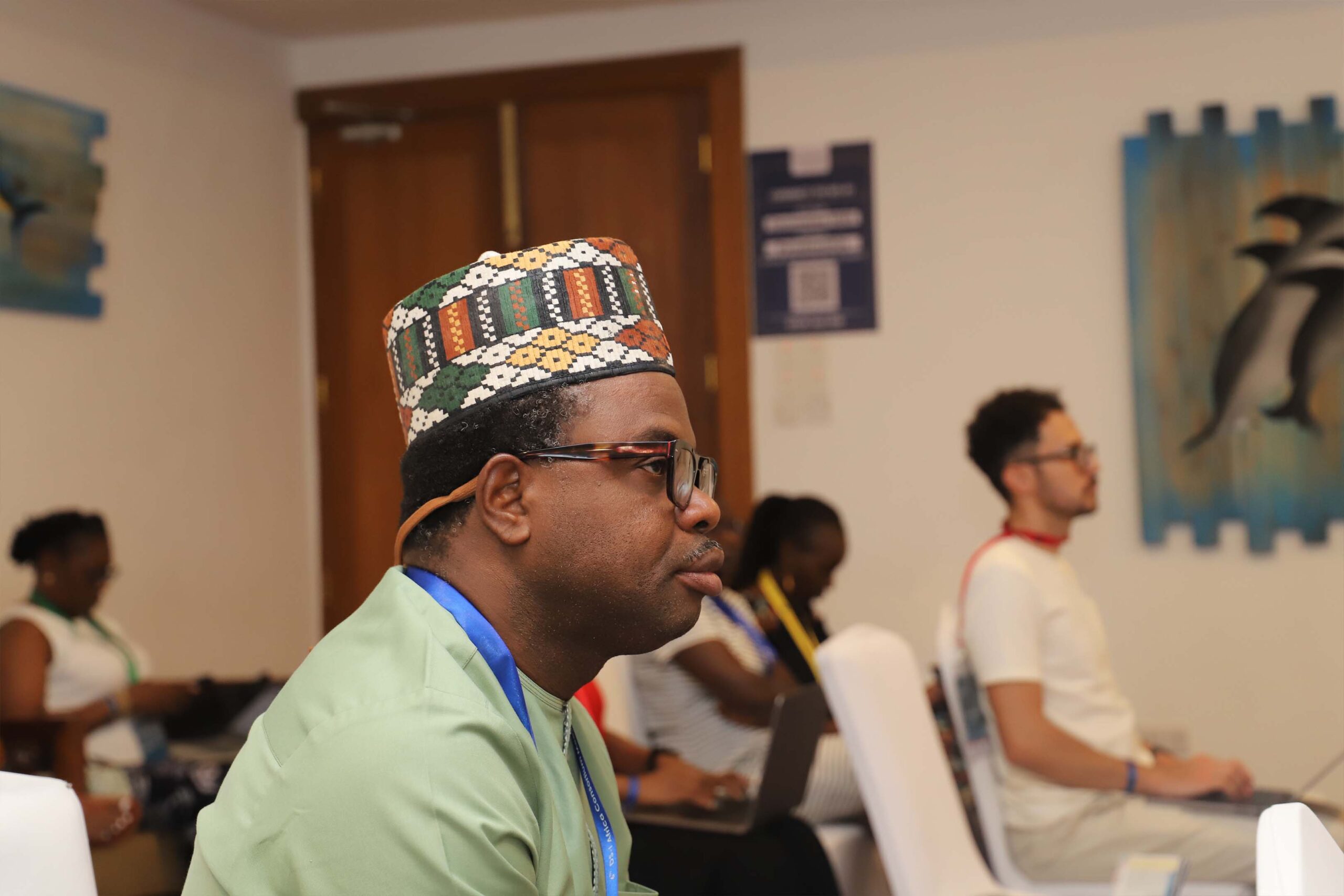
The DS-I Africa Consortium Meeting provided an important platform for researchers, policymakers, and partners to exchange ideas and showcase innovative solutions that are transforming public health across Africa. INFORM Africa’s contributions underscored the value of multidisciplinary collaboration, advanced analytics, and responsible data sharing in strengthening disease surveillance systems and improving preparedness for future public health threats.
As the Research Hub concludes its five-year programme, its growing portfolio of tools, platforms, and capacity-building initiatives continues to demonstrate the impact of data-driven innovation in advancing health security across the continent.